

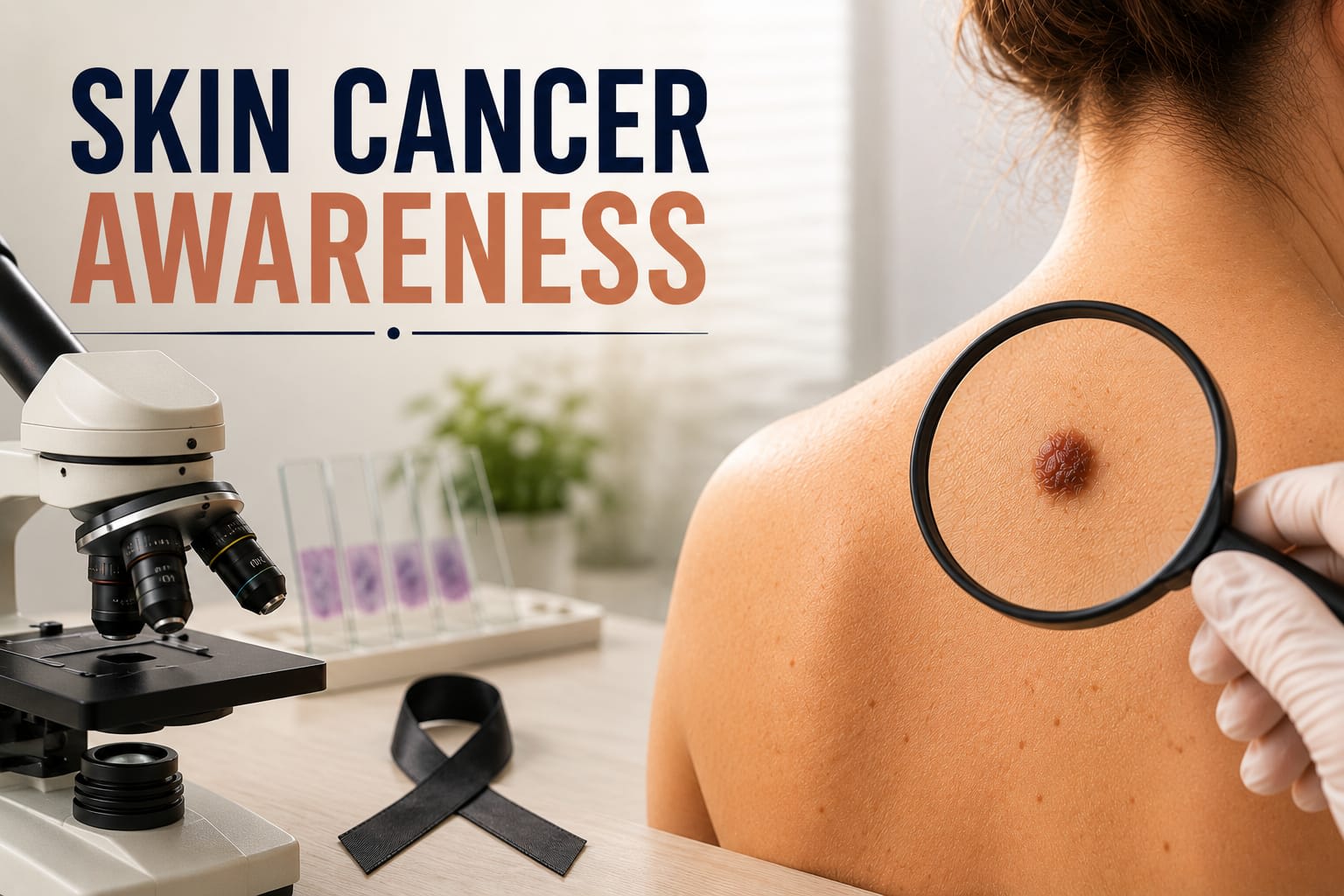
Skin cancer is one of the most commonly diagnosed cancers worldwide, with cases continuing to rise each year. Increased sun exposure, environmental factors, and lifestyle changes have all contributed to this growing health concern. While prevention campaigns often highlight sun protection and routine skin checks, accurate diagnosis is the foundation of effective skin cancer management.
Many skin lesions appear similar during clinical examination, making visual assessment alone insufficient. Definitive identification depends on tissue-level evaluation, where microscopic analysis helps distinguish benign conditions from malignant tumors such as melanoma and other aggressive cutaneous cancers. Early detection saves lives, but diagnostic precision determines the right course of treatment.
Why Tissue-Level Diagnosis Matters
Pathology plays a central role in confirming skin cancer. Tissue-based diagnosis allows clinicians to differentiate melanocytic from non-melanocytic lesions, identify poorly differentiated or atypical tumors, and accurately classify cancer subtypes. This reduces uncertainty and supports timely, evidence-based clinical decisions.
Markers such as S100, Melan A, HMB45, PRAME, Factor XIIIa, and Vimentin are commonly used in skin pathology to support clear interpretation, especially in small biopsies or complex cases where morphology alone is inconclusive.
The Role of Advanced Diagnostic Techniques
Traditional histology provides essential structural insight, but modern diagnostics increasingly rely on complementary techniques such as immunohistochemistry. These approaches offer additional molecular-level information that improves confidence in diagnosis and classification. As skin cancer incidence increases globally, consistent and reliable diagnostic workflows are essential across laboratories and healthcare systems.
Accurate Classification Guides Treatment Decisions
Correct classification of skin cancer directly influences treatment planning and prognosis. Subtle differences at the cellular level can determine whether a lesion requires surgical excision, targeted therapy, or careful monitoring. Tissue-based evaluation ensures treatment decisions are guided by biological evidence rather than surface appearance, reducing the risk of misdiagnosis or inappropriate intervention.
Awareness Beyond Prevention
Skin cancer awareness extends beyond sun safety and early screening. It also includes understanding the importance of early tissue evaluation, precise diagnosis, and robust diagnostic practices. Every accurate diagnosis supports timely treatment, improves outcomes, and ultimately enhances patient survival and quality of life.